
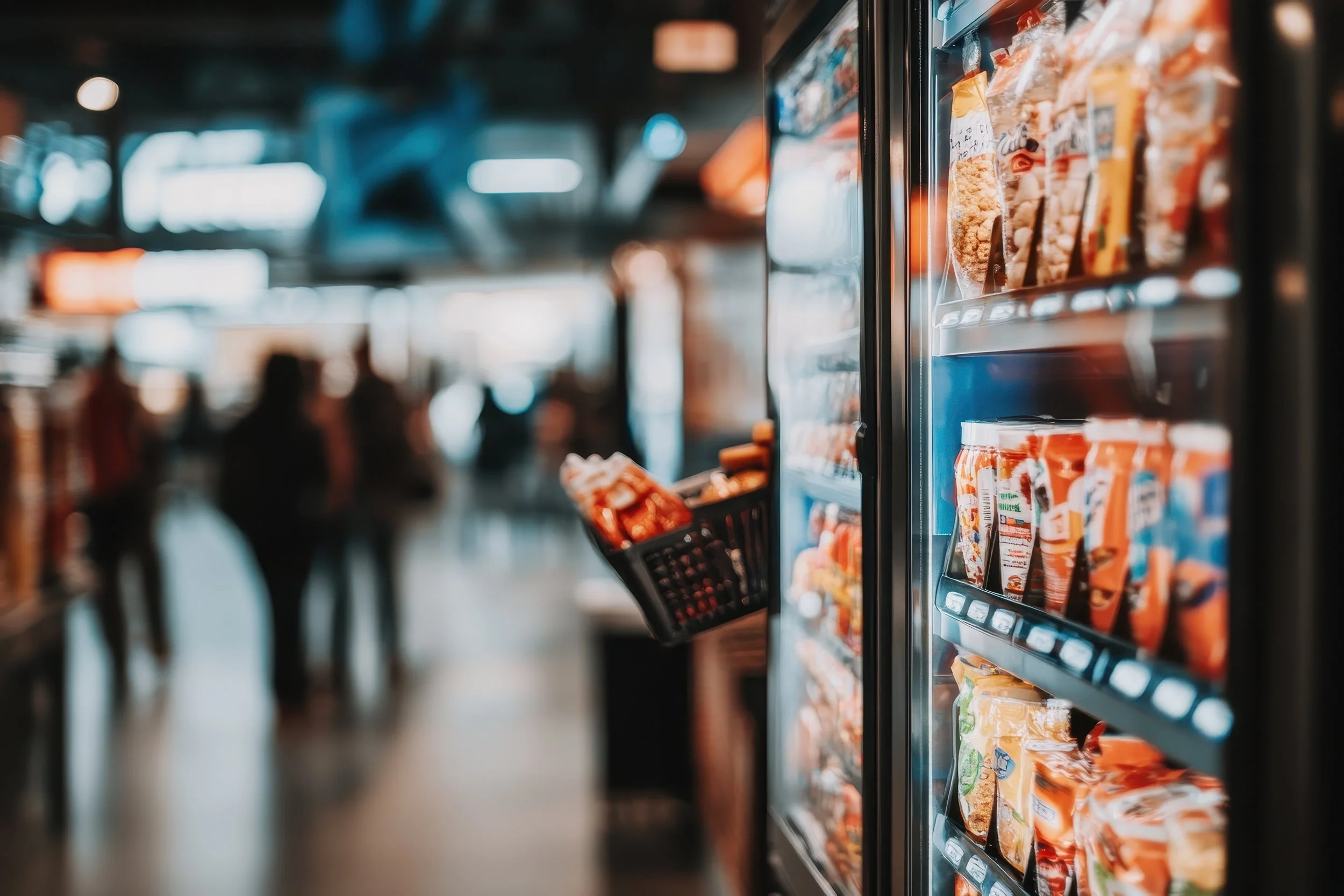
BLOG
Welcome to the world of vending machines – a business venture that combines convenience, innovation, and entrepreneurial spirit.
In this blog, we'll unravel the secrets of starting and thriving in the vending machine industry. Whether you're a seasoned entrepreneur looking to diversify your portfolio or a newcomer eager to break into the market, we've got you covered. Discover the ins and outs of purchasing the right vending machine for your needs, explore the nuances of launching a successful vending business, and gain insights into the art of vending machine repairs. From the initial investment to the potential returns, we'll delve into the cost considerations that can make or break your venture. Join us on this journey as we unlock the key strategies, tips, and tricks that will not only set you on the path to vending success but also empower you to navigate the dynamic landscape of the vending machine industry. Let's embark on the exciting adventure of turning snack cravings into a profitable business endeavor.
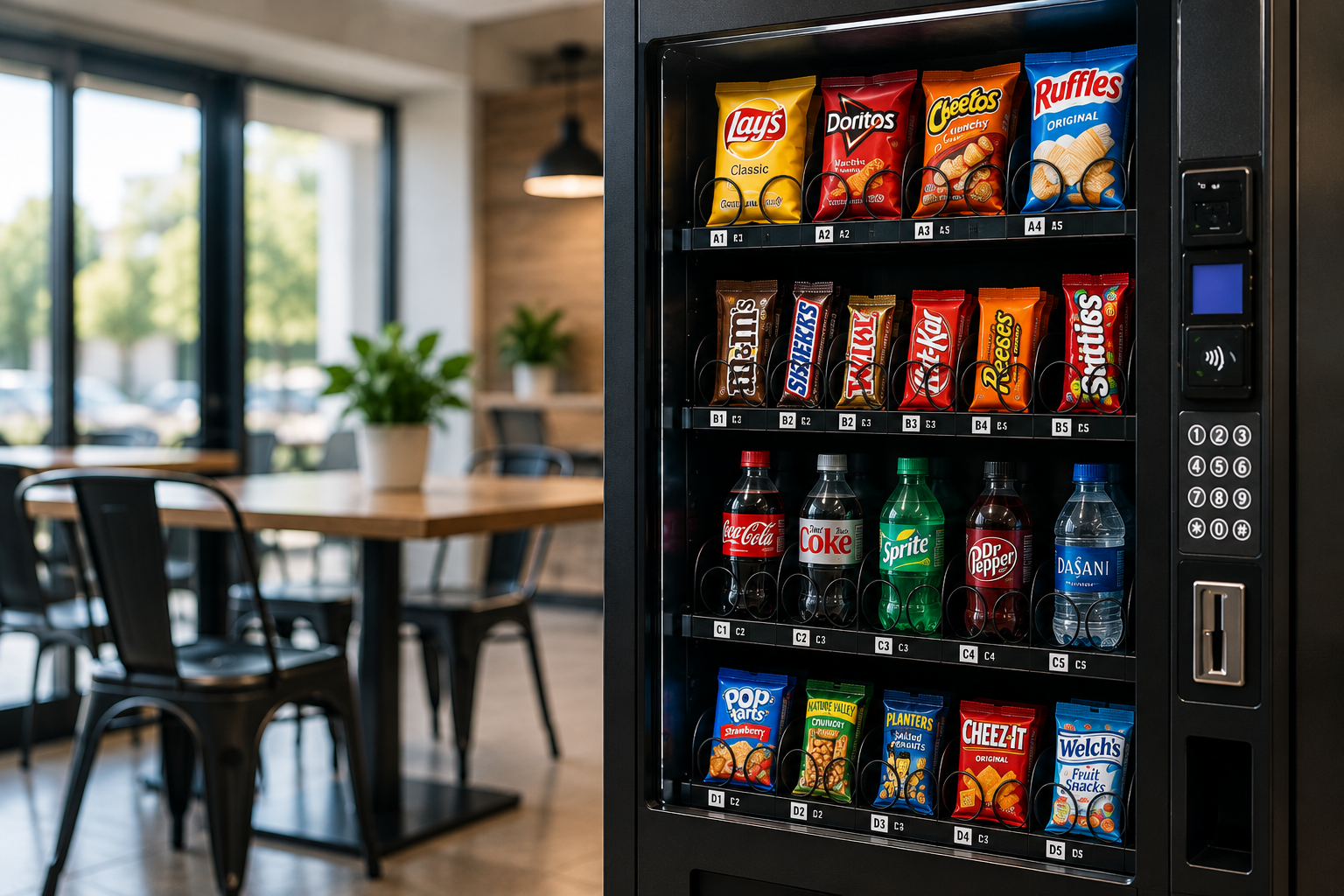
Your Vending Machine Isn’t Making Money. Now What?
A slow vending machine doesn't always mean a bad location. Before moving it, work through the numbers to determine whether traffic, product mix, pricing, payment options or the machine itself is holding sales back.
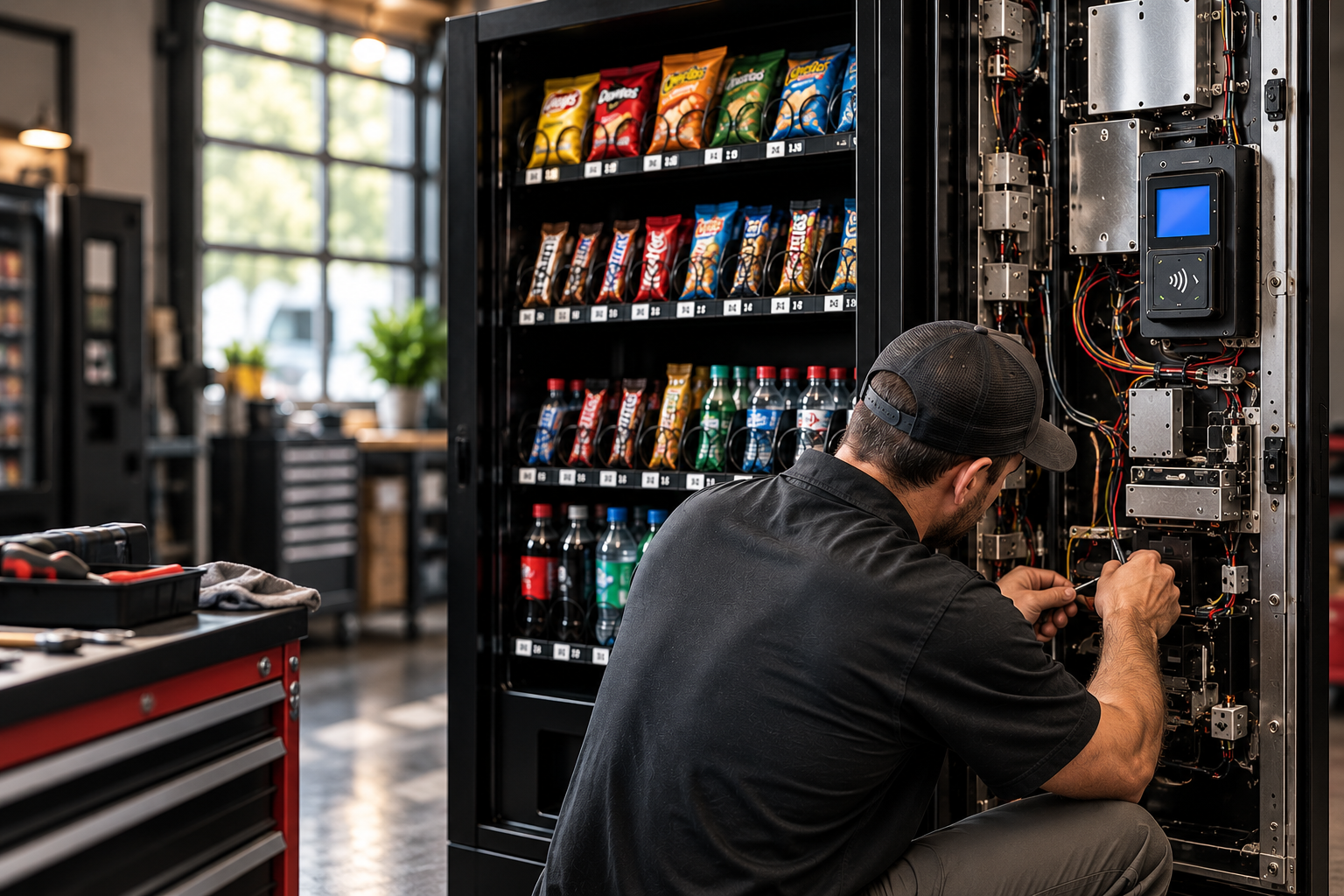
Old Machine, New Life: When Is a Vending Machine Worth Refurbishing?
Older doesn't automatically mean obsolete. Here's what operators should evaluate before deciding whether to repair, refurbish or replace an aging vending machine.
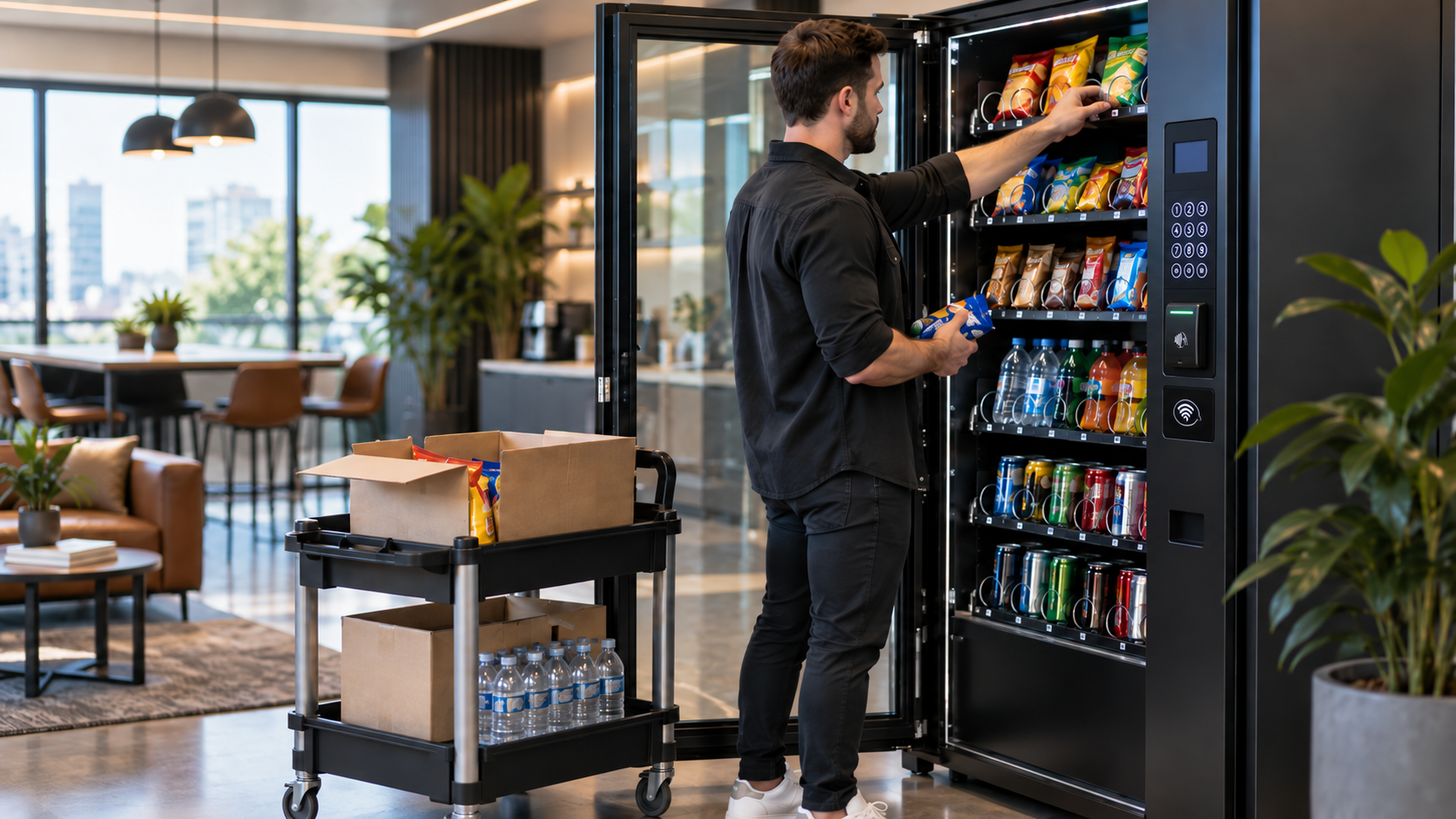
I Bought a Vending Machine. Now What? A Real-World Guide for New Vending Operators
Buying the vending machine is the easy part. What you do next determines whether it becomes a profitable location or an expensive piece of equipment. We're breaking down the product, pricing, location, inventory and service lessons new vending operators usually have to learn the hard way.
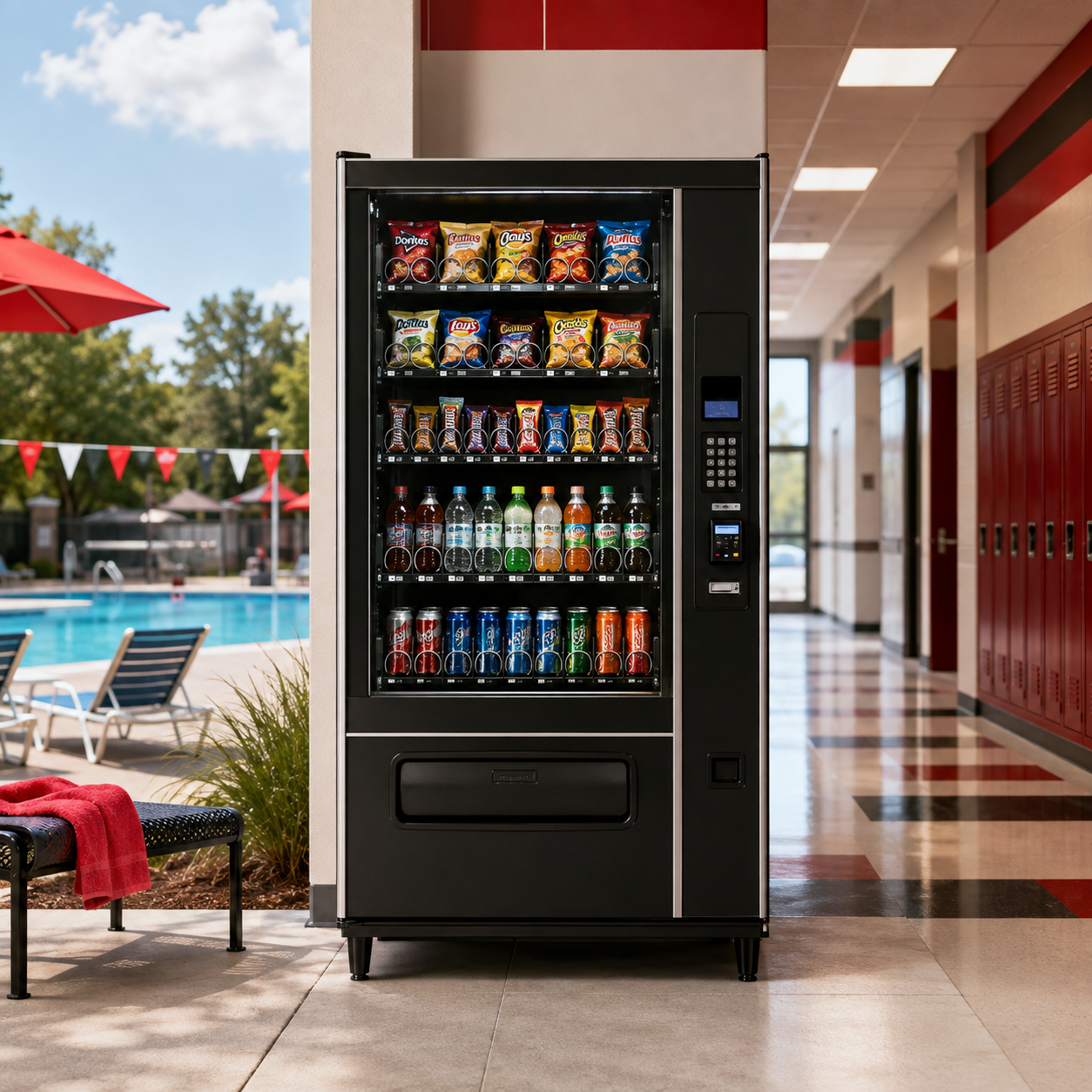
Seasonal Locations, Year-Round Income: How to Build a Vending Route That Stays Profitable All Year
Seasonality. The mistake isn't putting a vending machine somewhere with seasonal traffic. The mistake is building an entire route made up of locations that get busy — and slow down — at exactly the same time.
If you plan for those shifts from the beginning, seasonal locations can become some of the most profitable machines on your route without making your entire income seasonal along with them.
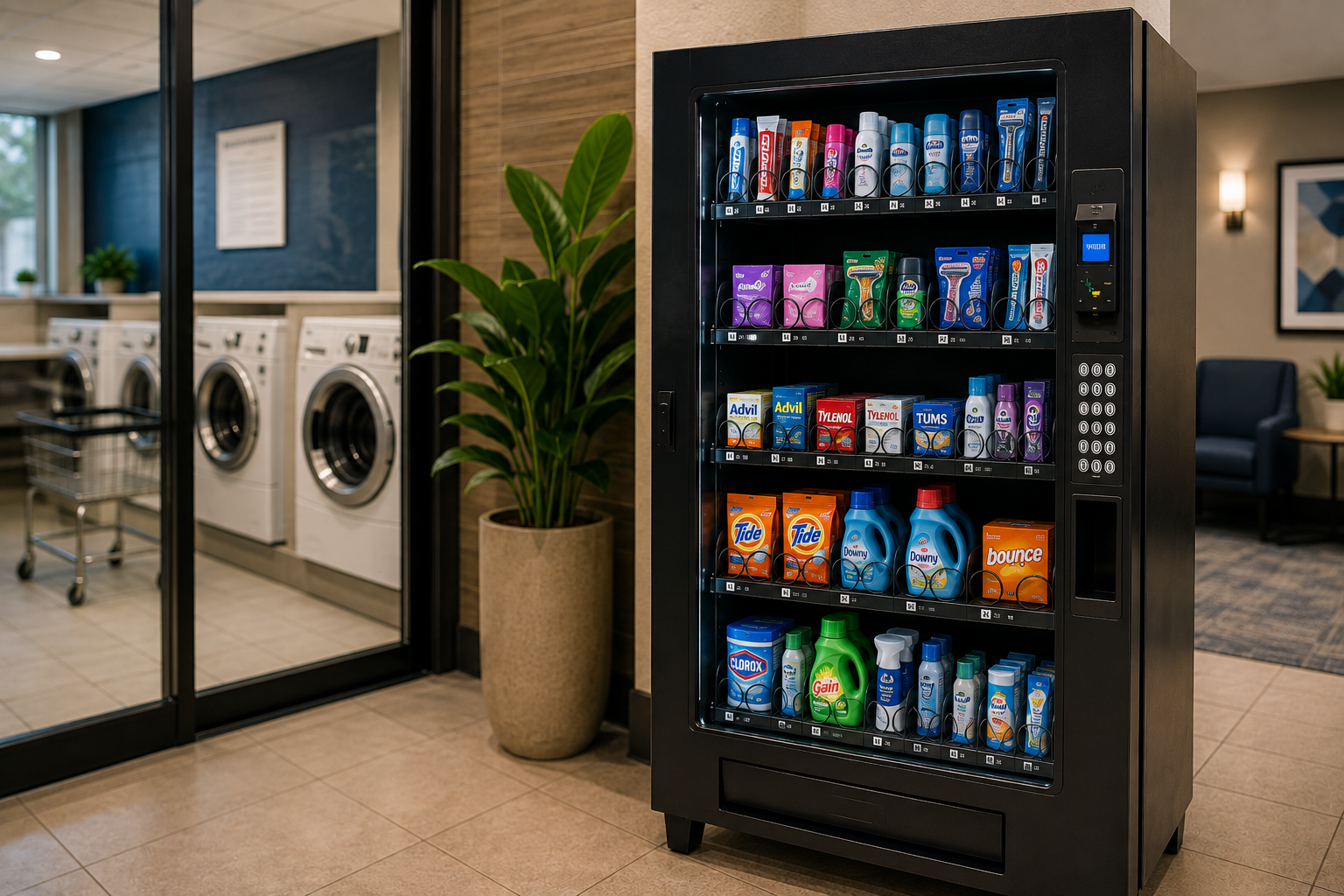
Think Beyond Snacks: Some of the Best Vending Opportunities Aren’t Food at All
Some of the most interesting vending opportunities aren't built around hunger or thirst at all. They're built around convenience, urgency and location. Someone forgot detergent after they've already loaded the washing machine. A college student realizes at 11 p.m. that they're out of toothpaste. Someone finishes washing their car and needs a microfiber towel or interior wipe. An apartment resident needs a phone charger and doesn't want to drive to a store.
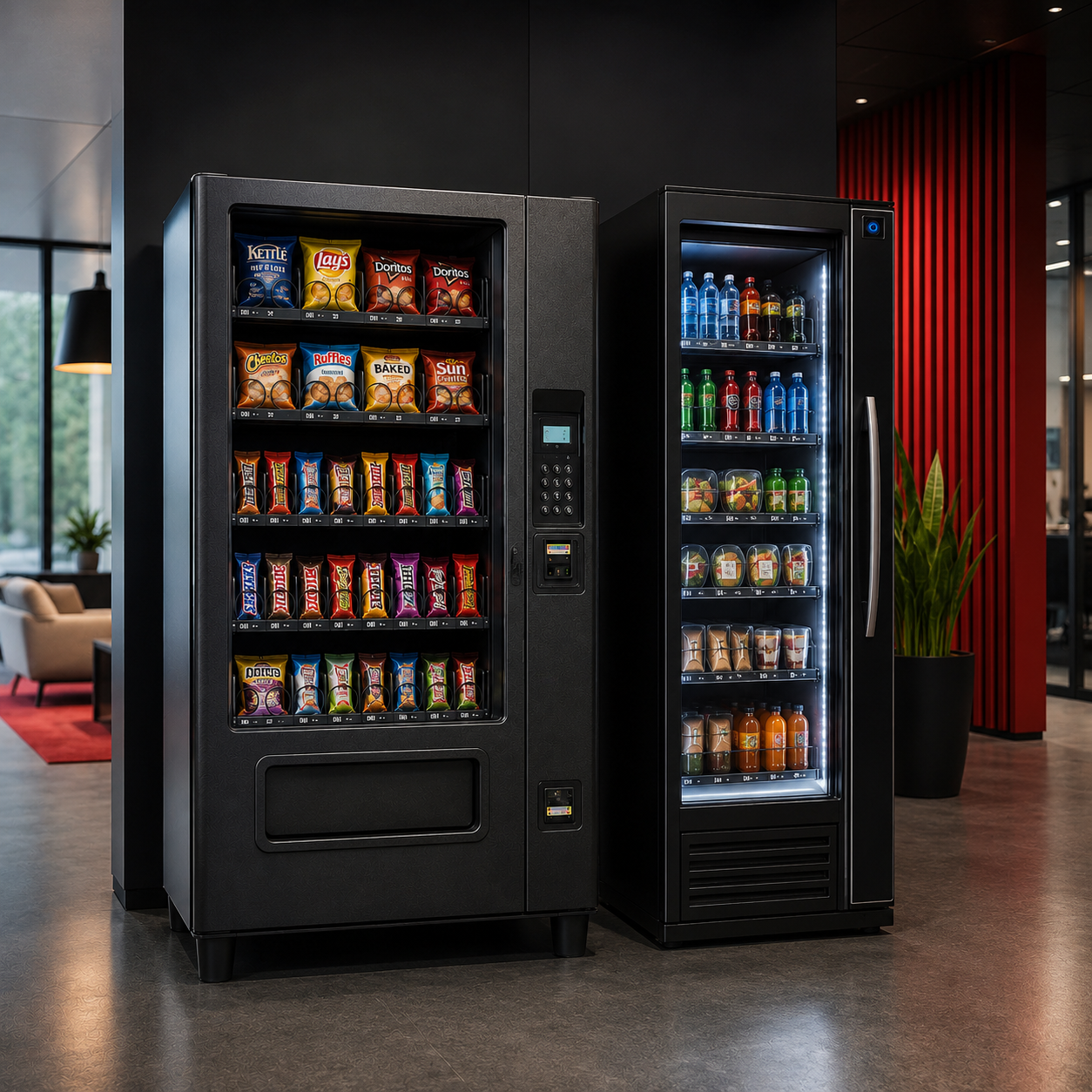
AI Vending Machines vs. Smart Vending Machines: What Operators Should Know Before Buying
“AI vending” is having a moment. It’s impressive technology. It also raises an important question for vending operators:
How different is an AI vending machine from a modern traditional vending machine that already offers cashless payments, remote inventory management and real-time sales reporting?
The answer is a little more nuanced than the marketing might suggest.
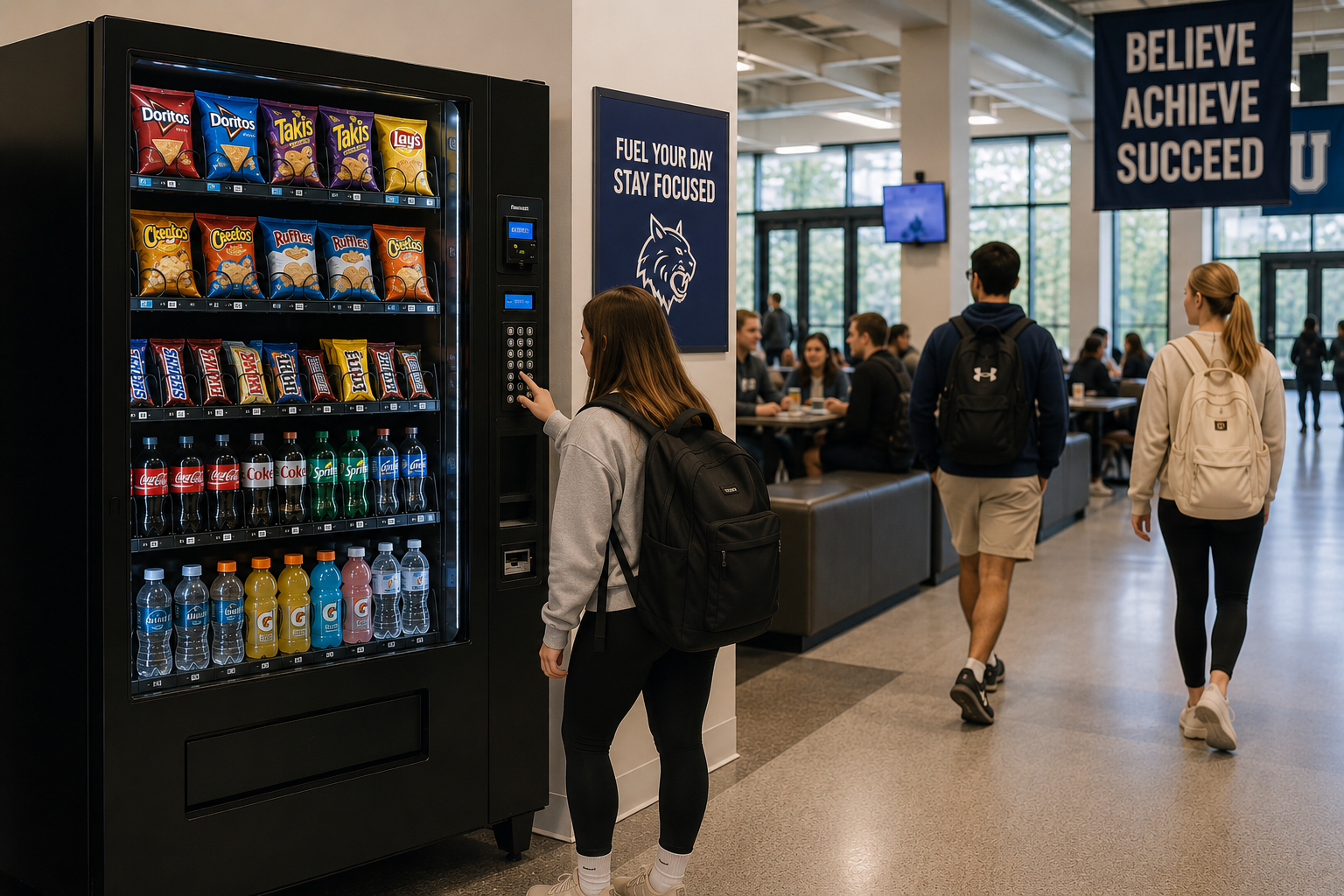
Back-to-School Vending: What Students Are Buying in Middle Schools, High Schools & College Campuses
A hallway vending machine serves a completely different purpose than one outside the gym. A teacher lounge has different buying habits than a student commons area. College students shop differently than middle schoolers. Understanding who is using the machine—and when—is often the difference between a machine that needs constant restocking and one that barely gets used.
Here's what's trending as schools head back for another year.
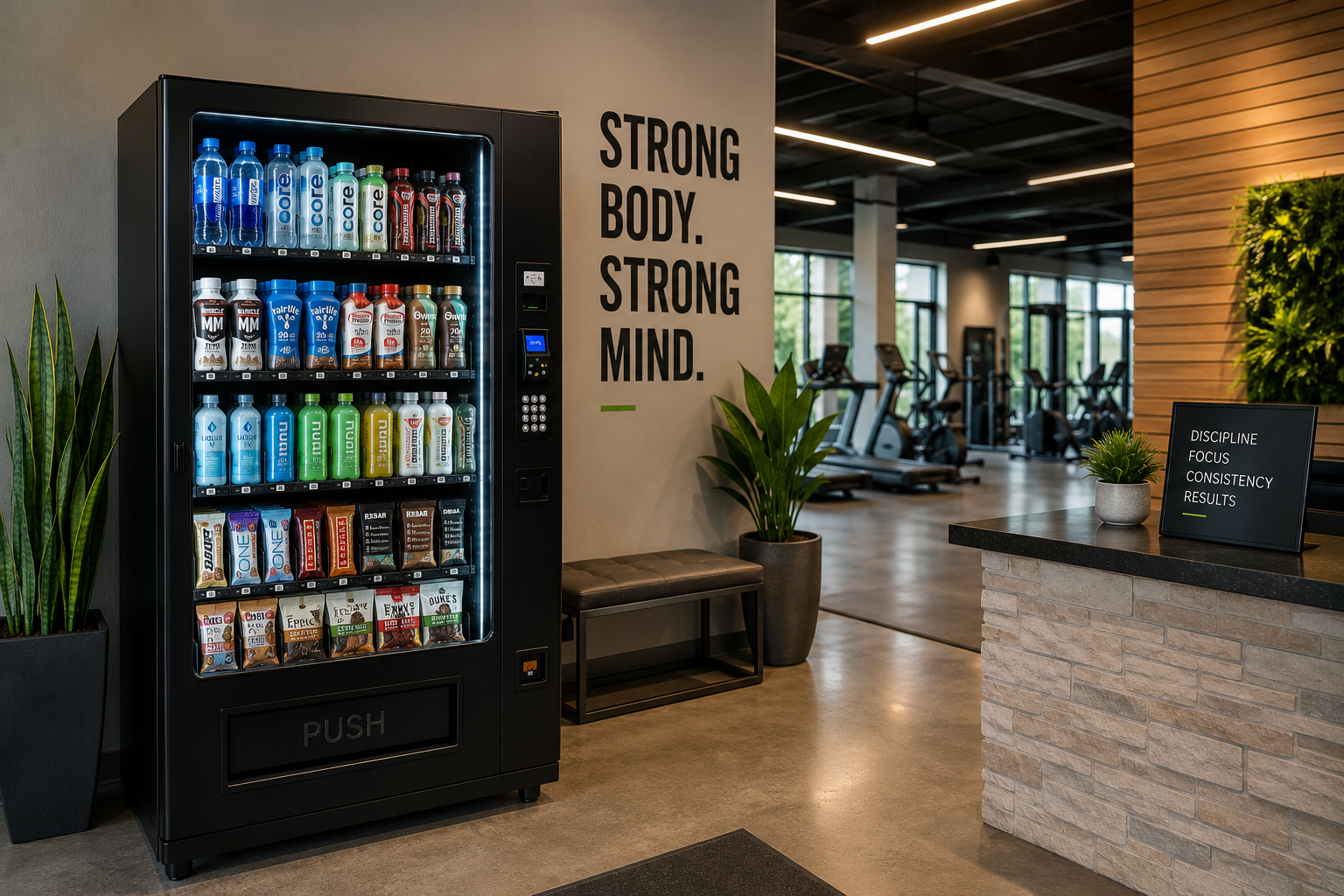
Landing Better Locations: How to Handle the Objections Every Vending Operator Hears
Finding great locations isn't usually about finding businesses that need vending. It's about finding businesses that trust you enough to say yes.
The operators who consistently land the best locations understand that. They don't rely on memorized sales scripts or high-pressure tactics. They have honest conversations, educate owners on what full-service vending really looks like, and focus on building partnerships that benefit everyone involved.
Here are some of the most common objections you'll hear—and practical ways to handle them.
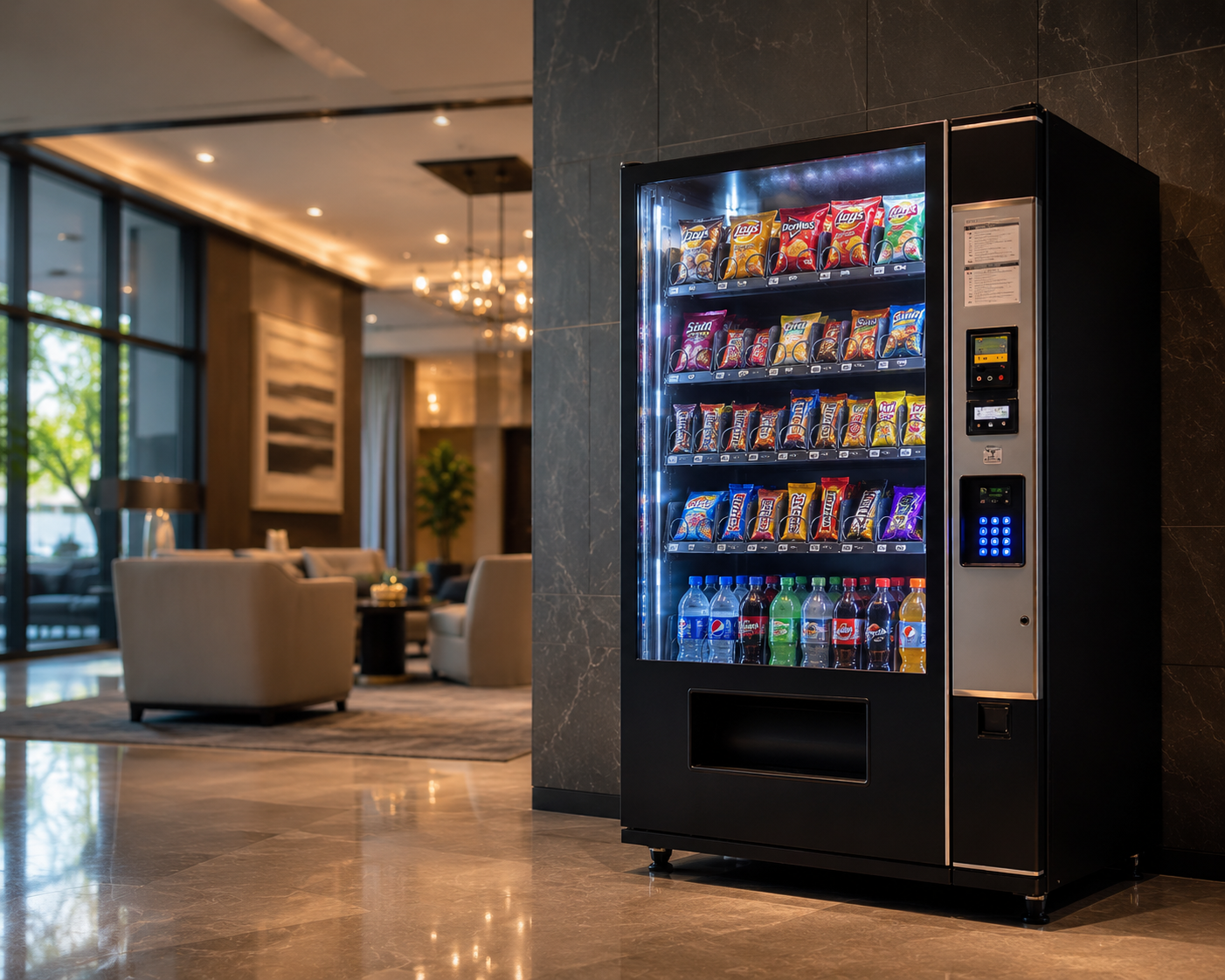
Buying a Refurbished Vending Machine? Here's What to Look for Before You Buy
One of the smartest ways to grow a vending business is by purchasing professionally refurbished equipment. A quality refurbished machine can cost thousands less than a comparable new machine, allowing operators to reach profitability sooner while preserving capital for additional locations.
The key word is quality. Not every used vending machine has been refurbished to the same standard. Some machines receive a fresh coat of paint and a quick cleaning before they're listed for sale. Others are completely disassembled, inspected, repaired, tested, and rebuilt by experienced technicians. The difference can determine whether your machine produces revenue or produces repair bills.
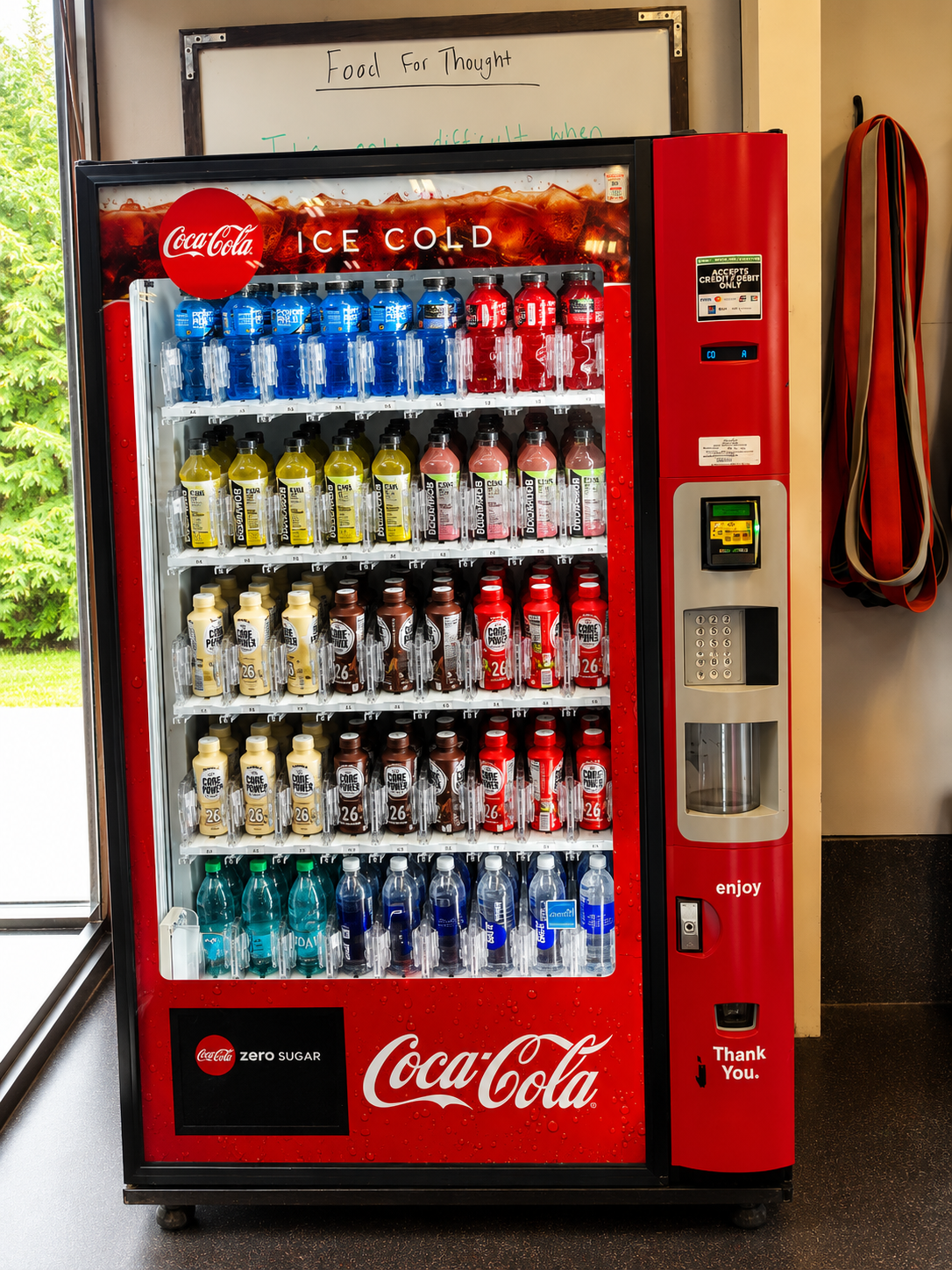
Protein, Hydration & Recovery: The Products Helping Operators Grow Revenue
For decades, vending machines were built around convenience. Chips, candy bars, and soft drinks dominated product selections because they were familiar, affordable, and easy to stock. Consumer preferences are changing. Today's customers are paying more attention to nutrition, protein intake, hydration, and wellness than ever before.
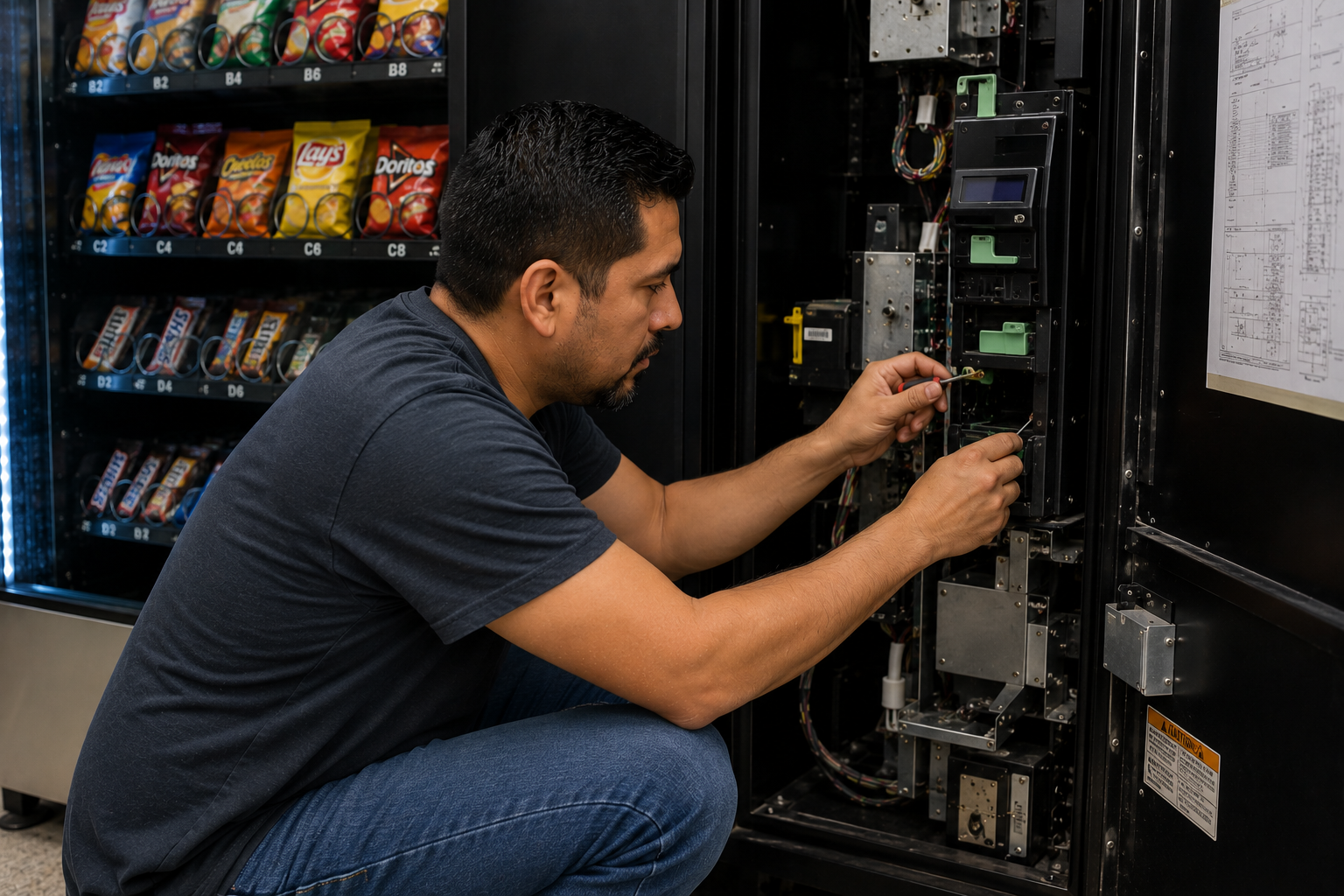
How Often Should You Service a Vending Machine?
One of the most common questions vending operators ask is how often their machines should be serviced. The answer depends on the type of machine, the environment it's located in, and how heavily it's used, but one thing is consistent across every route: machines that receive regular maintenance tend to stay online longer, experience fewer breakdowns, and generate more reliable revenue.
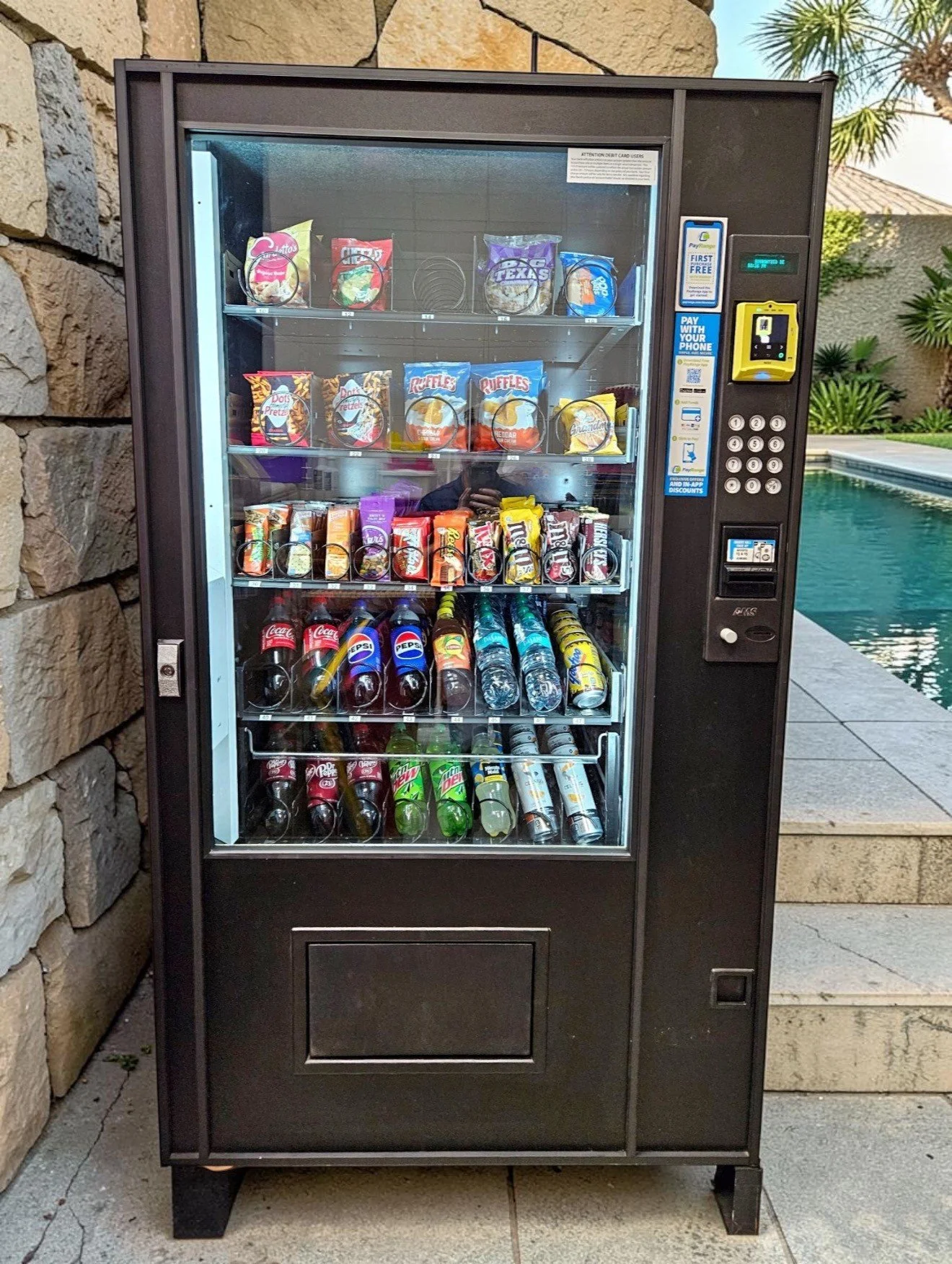
What Makes a Great Vending Location?
A great vending machine can struggle in the wrong location. An average machine can thrive in the right one. That's why successful vending operators spend as much time evaluating locations as they do choosing equipment. The first thing to understand is that traffic alone doesn't guarantee success.
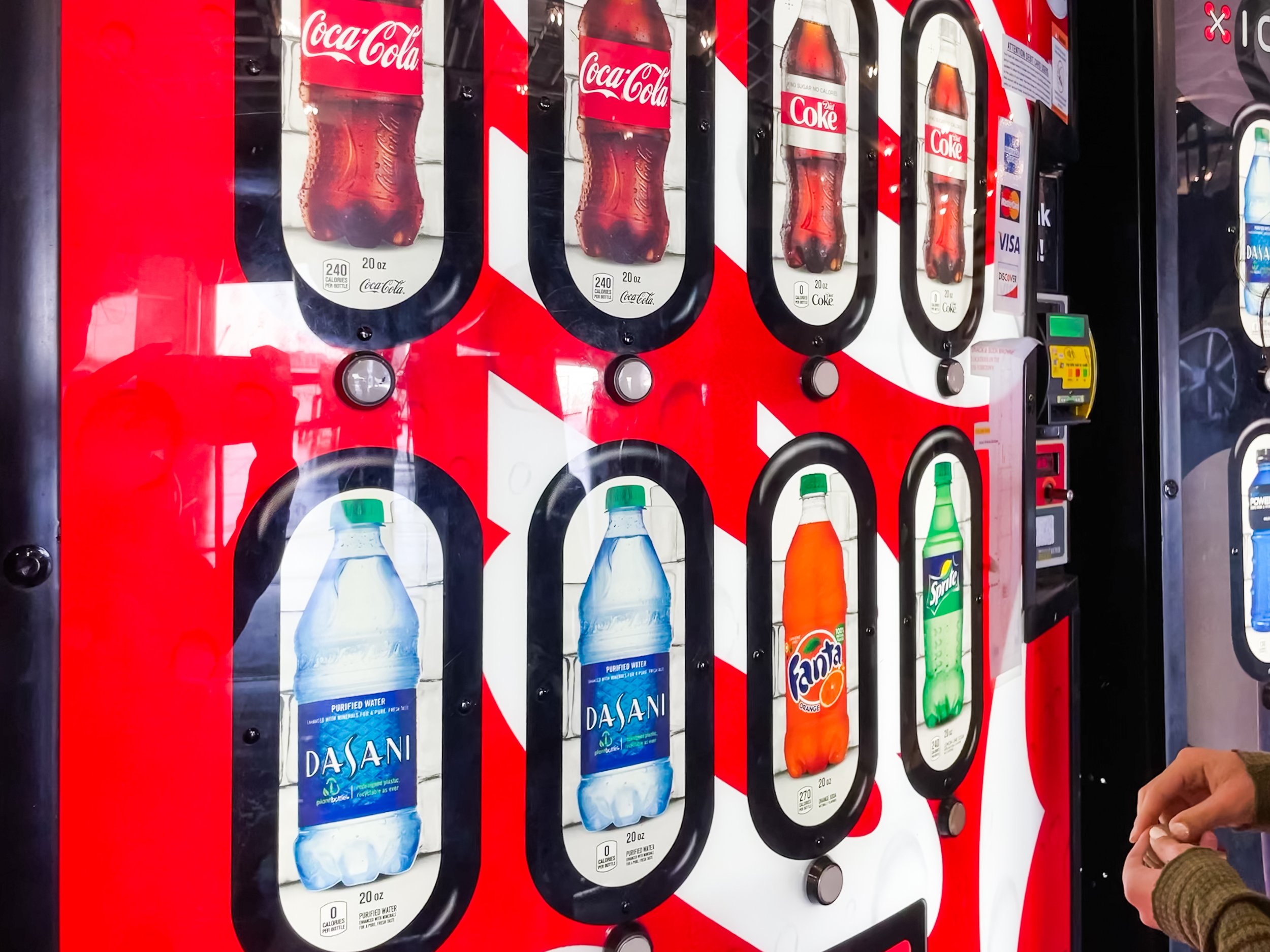
Top 5 Vending Machine Maintenance Issues (And When It's Time to Call a Professional)
Most major vending machine failures don't happen overnight. Small maintenance issues often develop gradually until they become expensive service calls, lost sales, or frustrated customers. The good news? Many common problems can be identified early and addressed before they impact your business. Here are five of the most common vending machine maintenance issues we see and what operators should do about them.
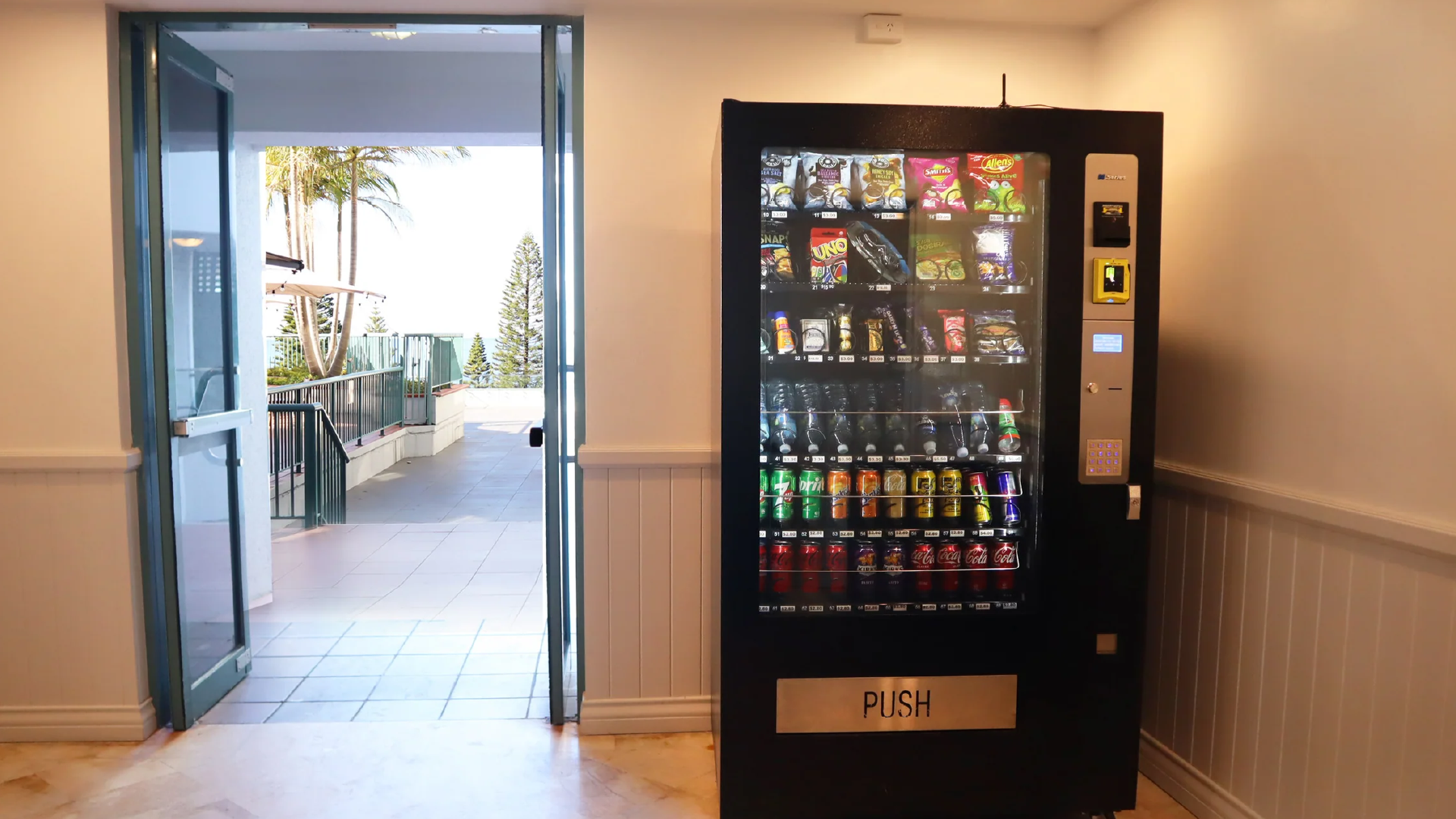
Vending Machine Maintenance & Managed Services: What It Takes to Keep Machines Running (and Revenue Consistent)
A vending machine that isn’t working properly isn’t just an inconvenience. It’s lost revenue. Every time a machine is down, rejecting payments, or struggling to dispense product, sales stop. In some cases, the issue gets fixed quickly. In others, it sits longer than it should, especially if no one is actively monitoring it. That’s where a lot of operators start to feel the strain. What seems like a simple business on the surface can turn into a series of reactive fixes if maintenance isn’t part of the plan from the beginning.
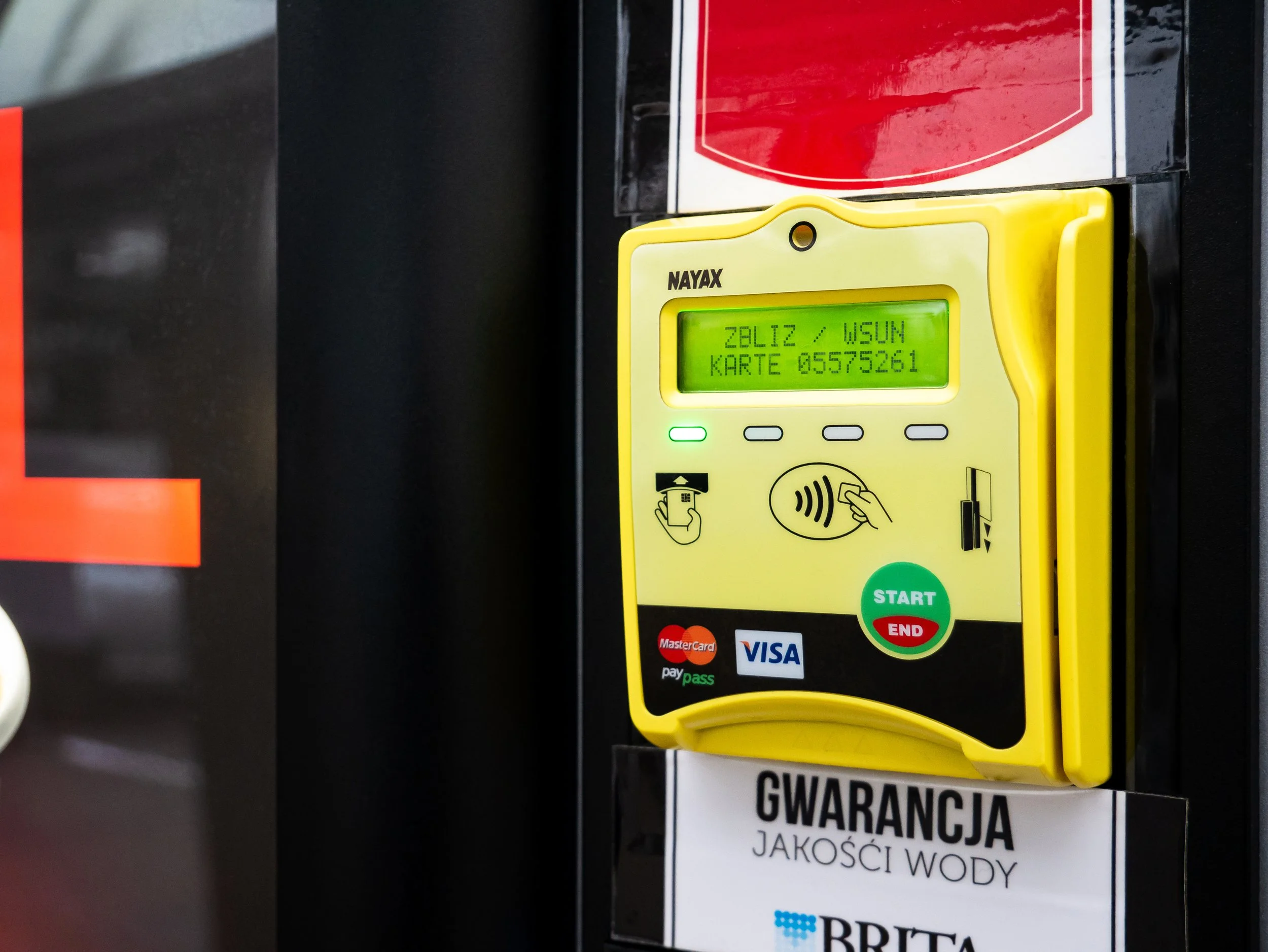
Cashless Vending in 2026: What You Need to Know Before You Upgrade
Cashless vending has moved from being a “nice-to-have” feature to something most operators are at least considering. Customers expect convenience, and the ability to tap a card or phone instead of digging for cash removes friction from the buying process.
At the same time, there’s a tendency to assume that adding cashless automatically means more revenue. That’s not always how it plays out. The impact depends heavily on the location, the customer, and how the machine is being used.
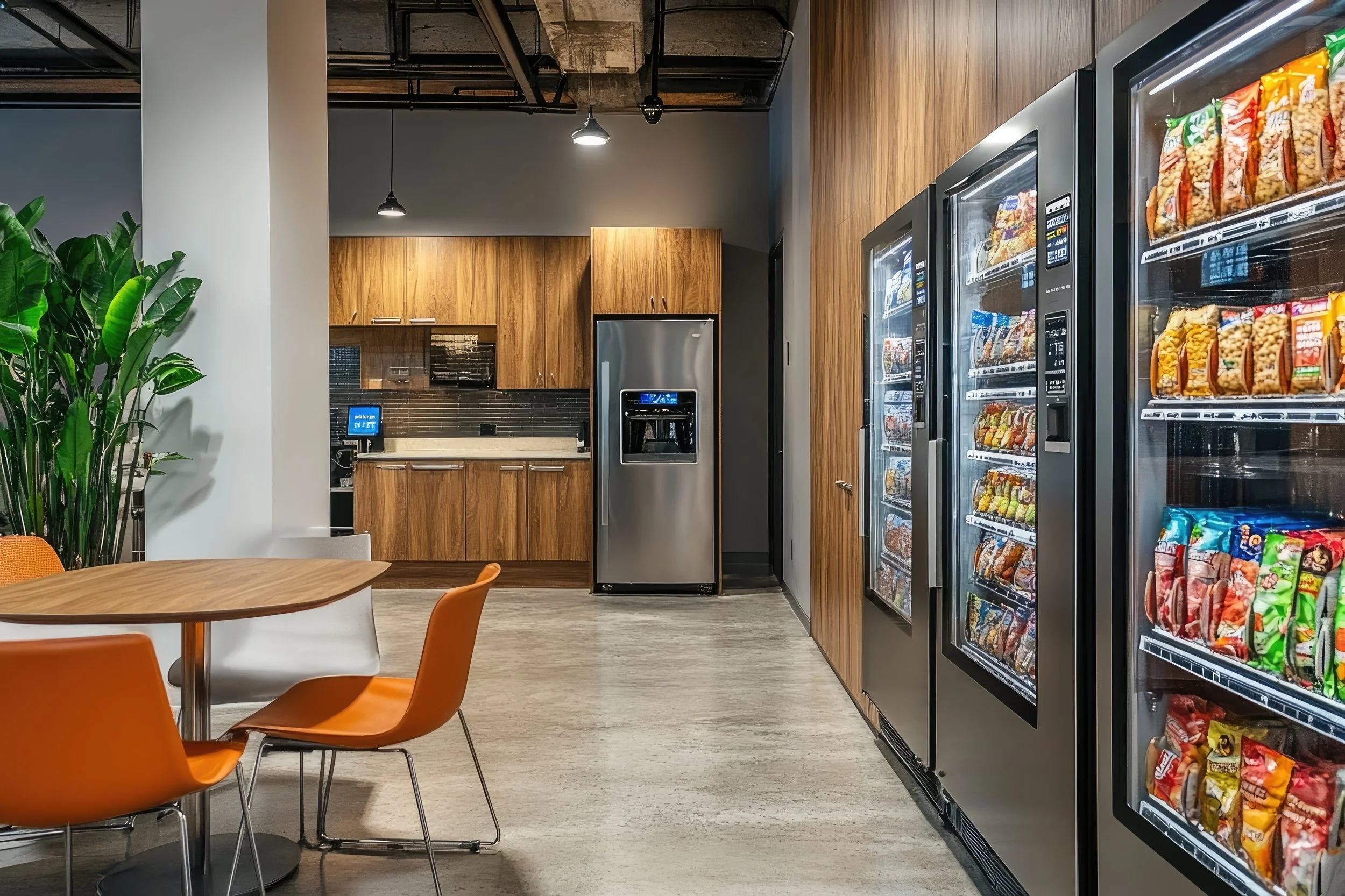
AI Vending Machines, Smart Vending & Micro Markets: What Actually Makes Sense (and Where)
There’s a lot of conversation in the vending space right now around AI vending, smart machines, and micro markets. It all tends to get grouped together, which makes it harder to understand what’s actually being discussed. In reality, these are three different types of setups. Each one can perform well in the right environment, and each one can fall short if it’s placed where it doesn’t belong. The difference comes down to how people interact with the machine and what kind of buying behavior that location produces. Once you start looking at it through that lens, the decision-making becomes a lot more straightforward.
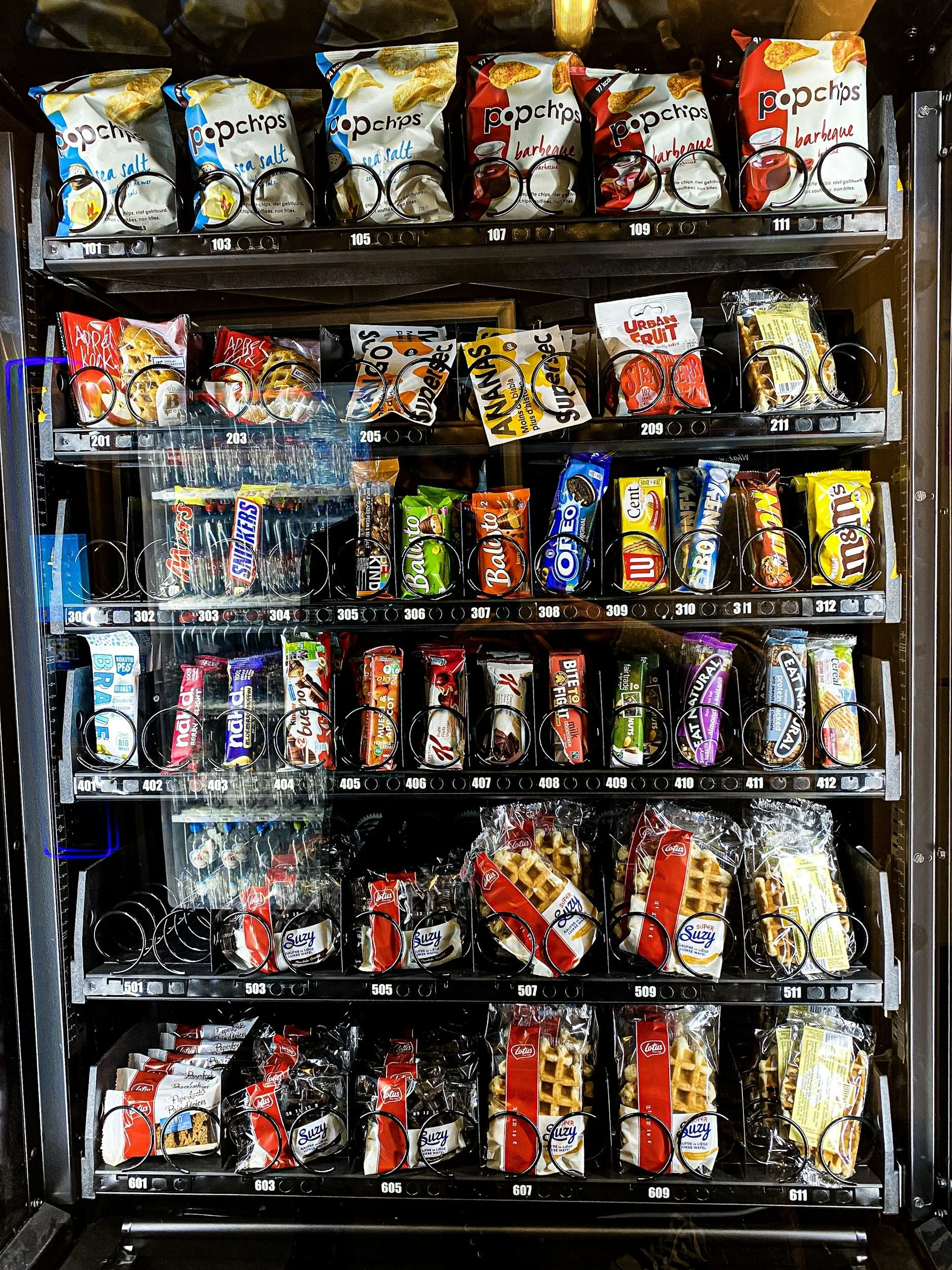
What’s Actually Selling Right Now: Takeaways from the Vistar South Buying Show
Spending time at the Vistar South Buying Show always brings the same reminder: The operators who pay attention to product strategy are the ones who grow faster. At the end of the day, your machine isn’t what’s making money. It’s what’s inside it. And events like this give a clear look at what’s actually moving right now—not what used to sell, not what sounds good in theory, but what brands are pushing, what distributors are prioritizing, and what’s getting real attention from operators.
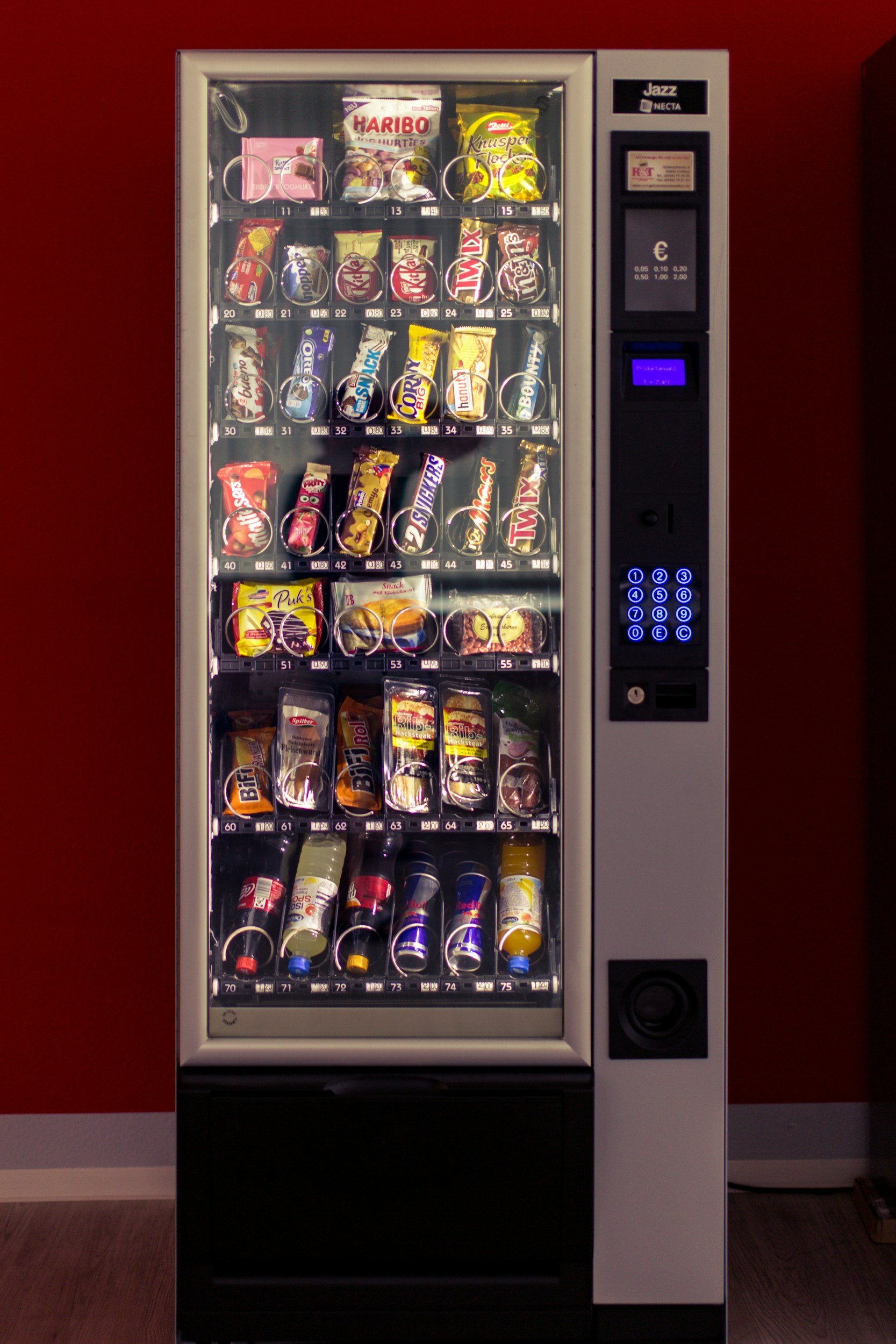
Starting Vending? Let’s Do It Right the First Time
So You Want to Start a Vending Business
Most of what you’ll read online makes this sound pretty simple: Buy a machine. Find a location. Stock it. Done. And yes… that’s technically how it works. But that’s also how people end up with a machine that barely makes money, needs constant attention, and never really turns into a business. The difference isn’t the machine. It’s how you set everything up around it.
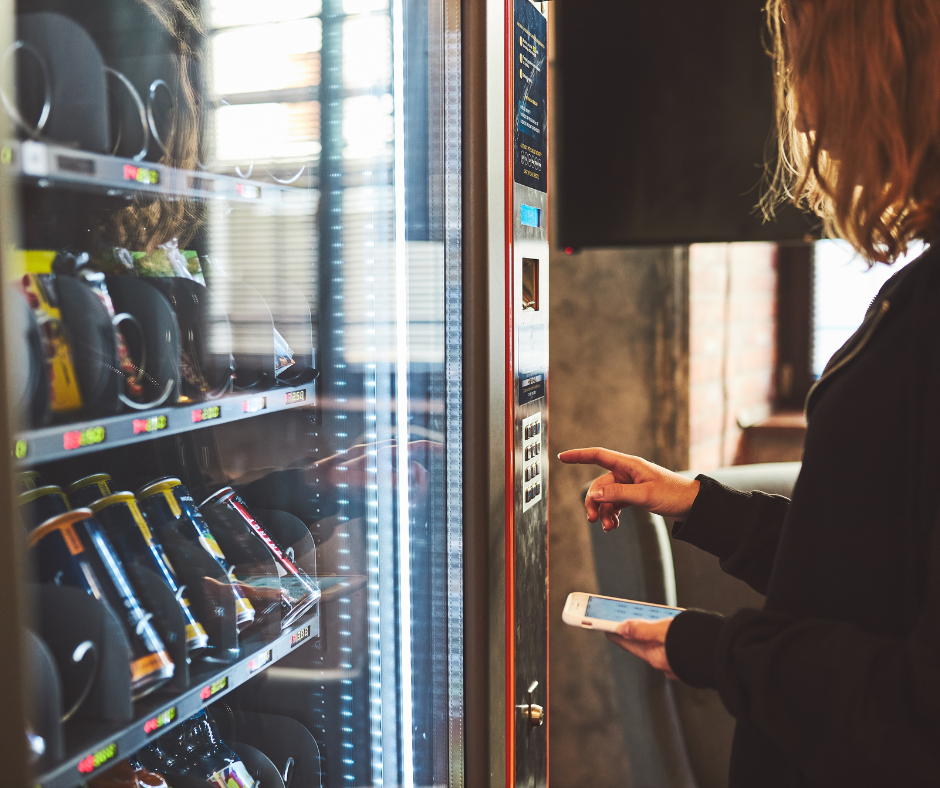
Turning Vending Into Real Passive Income (What Actually Works in 2026)
Vending gets marketed as passive income all the time. And it can be.
But what most people don’t talk about is what it actually takes to get there.
The reality is that most vending machines generate somewhere between $200 and $800 per month in profit, depending heavily on location, product mix, and consistency of service. Margins typically fall in the 20–25% range after accounting for product cost, service time, and maintenance. Most machines take anywhere from 12 to 24 months to fully pay themselves off.
None of that happens passively on its own.
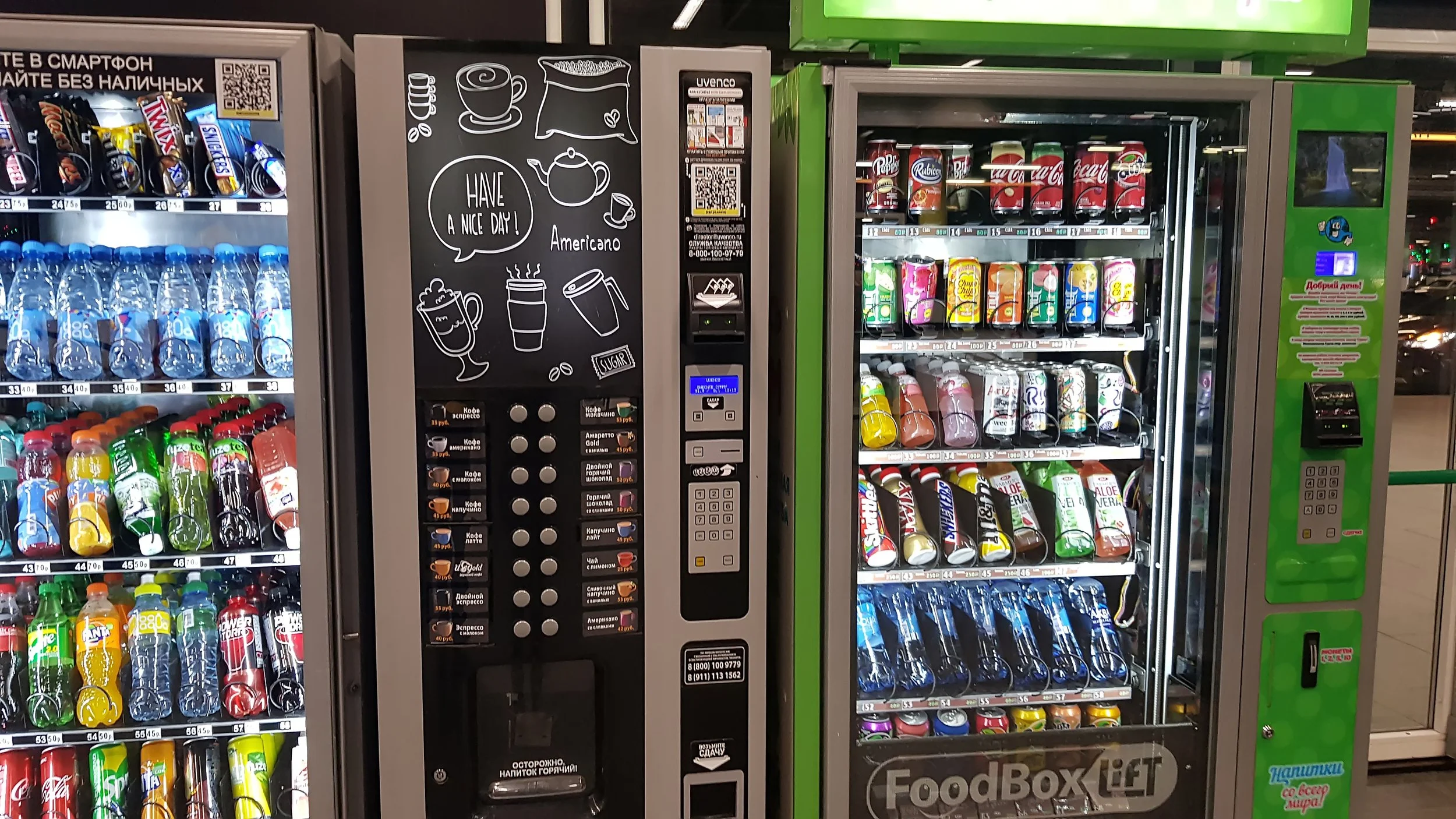
Scaling Isn’t About More Machines — It’s About Better Machines
A lot of operators think growth looks like this:
add more machines
add more locations
increase revenue
But the numbers tell a different story. Most vending machines in the U.S. generate:
$300–$1,500 per month in revenue
Roughly $200–$500 in monthly profit depending on location and costs
That means scaling too early doesn’t increase profit — it spreads it thinner.