
Scaling Isn’t About More Machines — It’s About Better Machines
A lot of operators think growth looks like this:
add more machines
add more locations
increase revenue
But in reality, most machines fall in this range:
$300–$800/month (average locations)
$800–$1,200/month (strong locations)
$1,200+/month (top-performing placements)
The gap isn’t luck — it’s strategy.
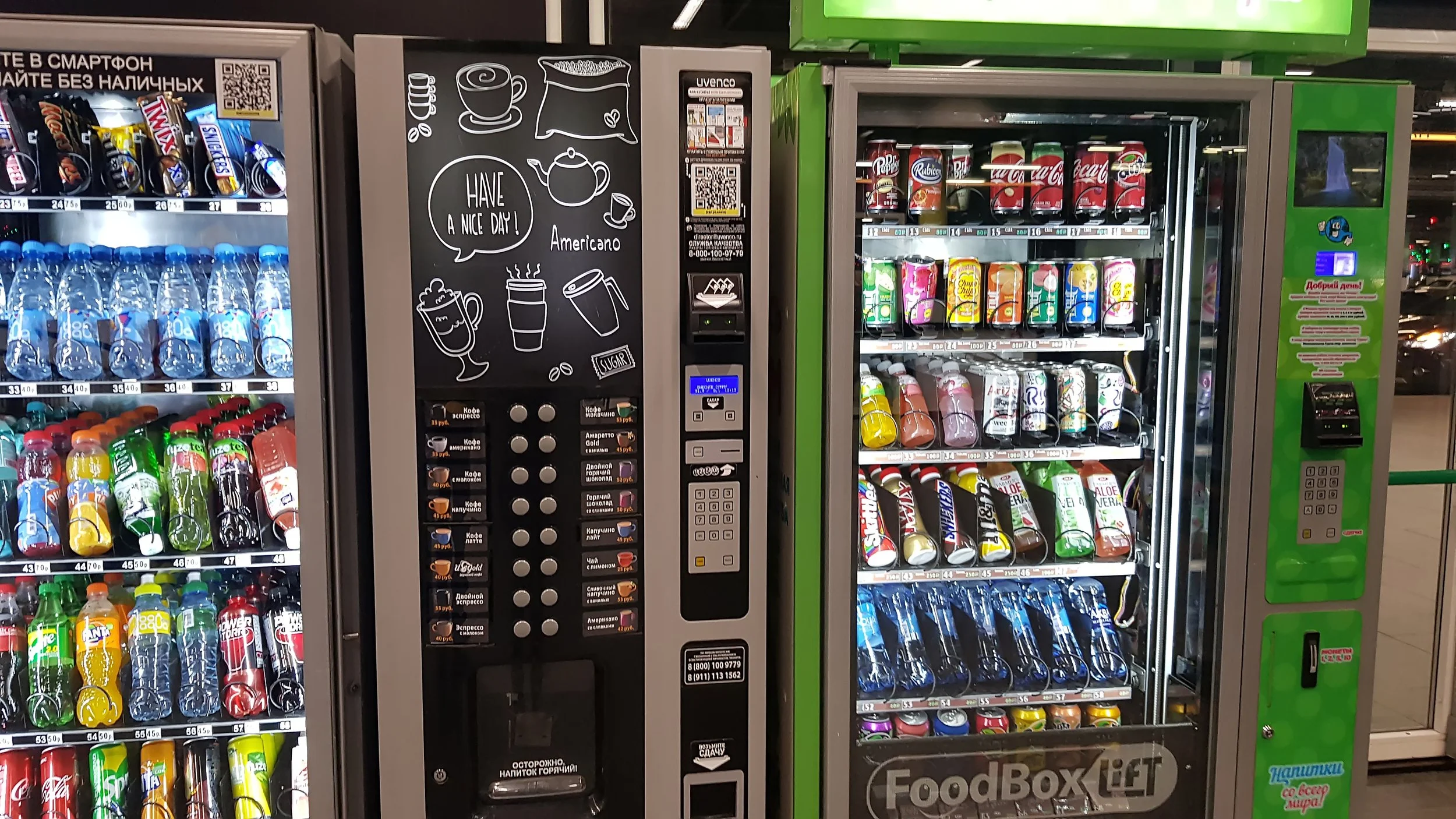
Step 1: Maximize Revenue Per Machine First
Before adding machines, your current ones should be performing.
Because vending margins typically land around 20–30% after product, service, and maintenance costs, underperforming machines slow everything down.
If your machines are only doing $300–$400/month:
scaling multiplies weak performance
inventory sits longer
service becomes less efficient
Strong operators focus on:
faster product turnover
better product mix
stronger locations
Step 2: Know When You’re Actually Ready to Scale
You’re ready to grow when performance is consistent — not just “potential.”
Look for:
Machines consistently generating $600–$1,000+/month
Products selling through between service visits
Locations asking for more options
Most machines reach ROI in 12–24 months, depending heavily on placement and performance.
If you’re not hitting those numbers yet, scaling will slow your return — not accelerate it.
Step 3: Choose Locations That Actually Perform
The majority of vending machines are placed in:
workplaces
manufacturing facilities
schools
But not all of those perform equally.
Highest-Performing Locations (2026)
Warehouses / Manufacturing
High employee density
Limited alternatives
Repeat daily demand
Most consistent performers
Gyms / Fitness Facilities
Repeat visits
Strong drink demand
Higher-margin items
Offices (Selective)
Performance varies
Strong only when competition is limited
Step 4: Understand the Scaling Math
Let’s break it down:
Scenario A (Bad Scaling)
10 machines @ $350/month = $3,500 revenue
Scenario B (Smart Scaling)
5 machines @ $900/month = $4,500 revenue
Fewer machines, better locations, stronger return.
That’s the difference between growth and real profitability.
Adding machines increases:
service time
maintenance issues
inventory complexity
But it doesn’t guarantee better income.
Strategic placement does.
Step 5: Build Systems Before You Grow
As your route grows, so does complexity.
Without systems:
downtime increases
service becomes reactive
consistency drops
Successful operators rely on:
preventative maintenance
reliable repair support
consistent stocking strategies
Step 6: The 2026 Reality
The vending industry is competitive — and growing.
That means:
Better execution beats bigger routes
Operators who win:
place smarter
maintain consistently
optimize continuously
The Bottom Line
Scaling isn’t about more machines.
It’s about getting more out of each machine first.
That’s how you build:
faster ROI
stronger locations
more predictable income